Your inbox, AI's context: what Gemini's privacy choices really mean
Personal AI can make an inbox useful in new ways. The harder question is what happens to the information it brings into a conversation.
 Pumpkin frame / 01
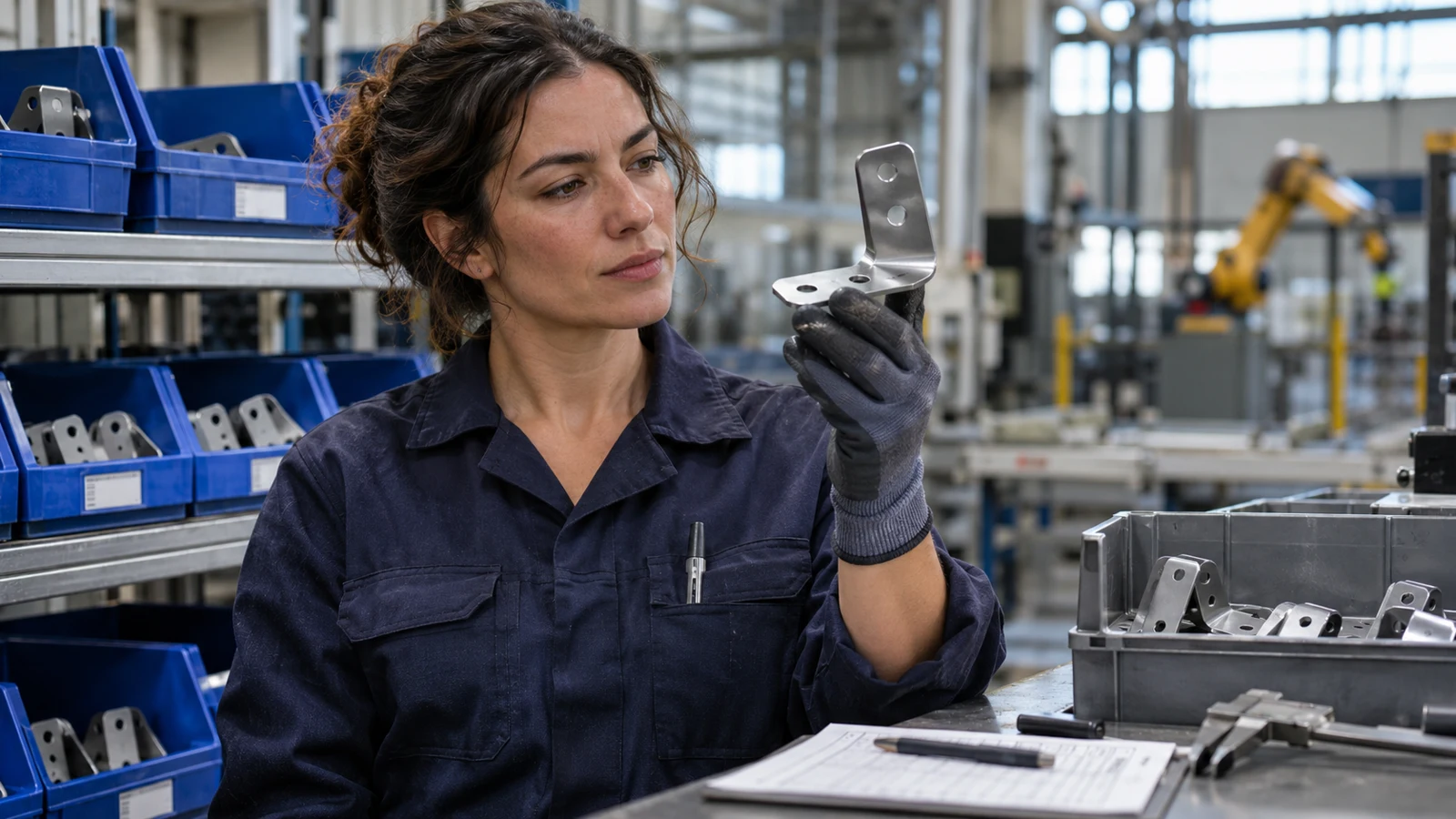
AI-generated editorial illustration with a fictional person, not evidence of a privacy incident: personal context carries other people's information too.
 Pumpkin frame / 02
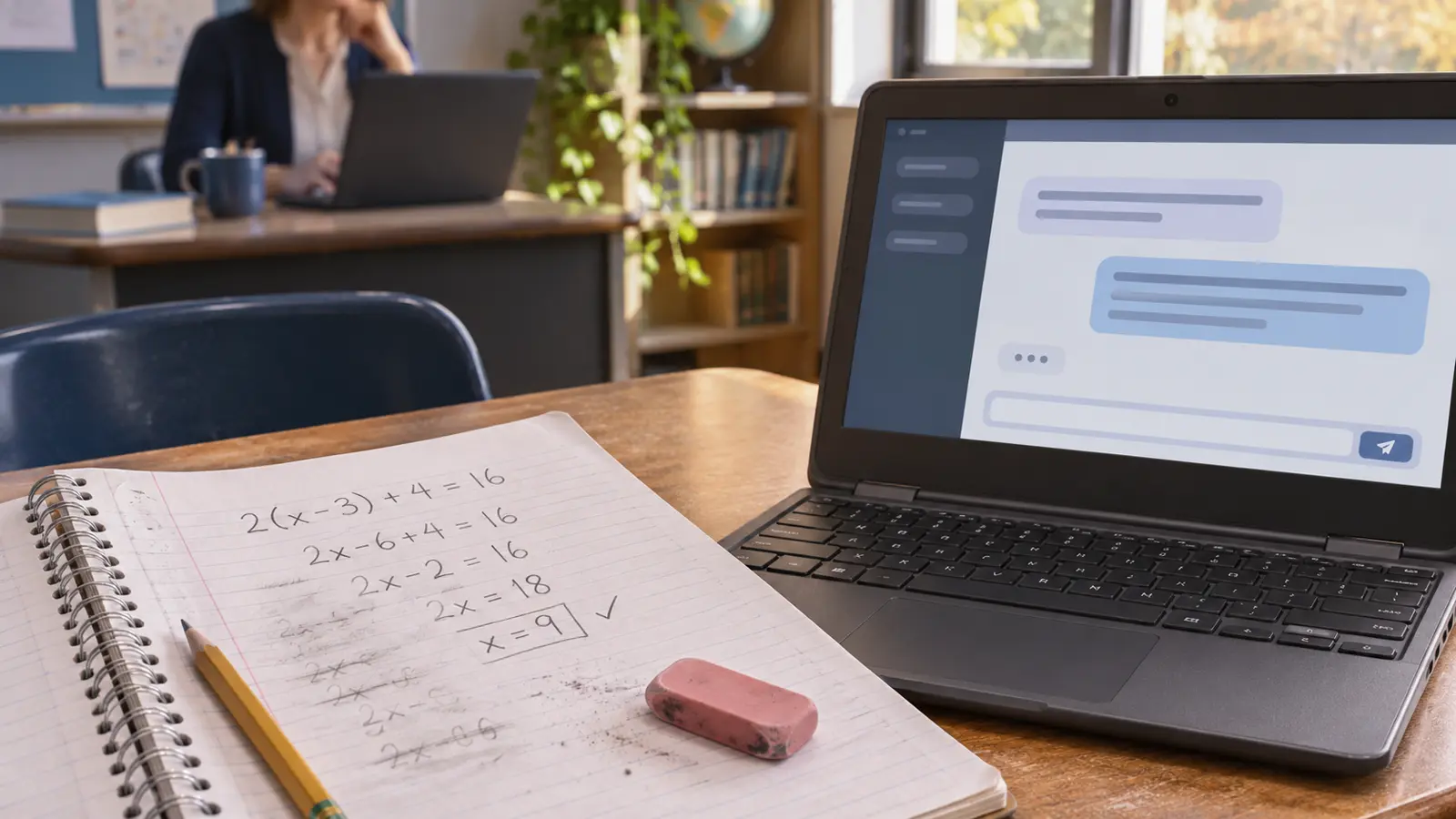
AI-generated editorial illustration: access to an archive and agreement about sharing it are different questions.
What is current, and what we have not established
Google's Gemini Apps Privacy Hub carries a 19 October 2026 update date; the Privacy Notice within it is dated 13 October. This briefing examines the guidance available on 23 October. We have not established a version-by-version change log, so those dates should not be read as proof that every described practice began this week.
The important public-interest issue is understandable without an alarmist headline. A personal assistant becomes more useful when it understands a person's circumstances. But an inbox is not simply a preference list. It can contain another person's confession, an unpublished proposal or a conversation that was never intended for a new audience.
The distinction that a headline must not erase
Google says Gemini does not train generative models directly on Gmail inboxes, Drive or other Workspace apps. It also says summaries, excerpts, generated media and inferences used in interactions can inform training when Keep Activity is on. A short or particularly relevant email or file may itself constitute the summary. Google's personalization help page describes privacy-preserving measures and warns against connecting confidential material a person would not want used for training.
These are Google's stated practices, not an independent audit by Pumpkin AI. Neither 'Google trains on everyone's entire inbox' nor 'nothing from connected email can inform training' accurately captures that distinction. The unit of concern is not just the storage location. It is also the information brought into the conversation.
Who can actually use this?
The eligibility page describes a gradual rollout for adults using personal Google Accounts, with Keep Activity enabled. It excludes work, school and supervised accounts from this Personal Intelligence feature. It also lists regional restrictions, including the EEA, UK, Switzerland and Nigeria. Individual connections have additional requirements. A feature mentioned in documentation is not a guarantee that it is available in every account or country.
This briefing concerns consumer Gemini Apps personalization. It should not be treated as a description of an employer's contracted Workspace protections. A shared brand name does not make personal-account terms and organizational arrangements interchangeable. Verify the exact product and account before making a decision about business material.
Disconnecting is not a time machine
Google's guidance says disconnecting an app does not erase existing Gemini Apps Activity, and deleting Gemini activity does not erase data retained in other services. Its Privacy Hub says future chats with Keep Activity off are retained for 72 hours, and are not used for model training unless feedback is submitted. Material already reviewed can be retained for up to three years.
The broader lesson is that access, storage and deletion are different questions. A switch that stops a future connection should not be assumed to remove every earlier copy or inference. That is why a decision made before sharing is often more useful than a frantic attempt to undo it afterward.
The other person in your inbox
Consider a hypothetical freelancer whose personal inbox contains both holiday bookings and a client's unreleased campaign. Asking for travel help seems ordinary. Connecting an account with mixed purposes creates a less ordinary boundary question: what did the client authorize, and what does the account holder actually need the assistant to see? This is an illustrative scenario, not a claim that Gemini has exposed such a campaign.
The same tension exists in families. A photograph or message may belong to an account, yet describe several people. Convenient access is not the same thing as a conversation about their expectations. A useful personal assistant should reduce administrative effort without encouraging its owner to forget those relationships.
For businesses, the sensible discussion is about permitted information and accountable decisions rather than a blanket declaration that all AI is safe or unsafe. Who can authorize disclosure? Which material is unsuitable for a personal account? How will someone correct an inaccurate inference? These are governance questions, not instructions for a production workflow.
Pumpkin AI's view: make the permission as clear as the benefit
Our analysis is that trust depends on whether a person can explain the trade-off in their own words. 'It helps me plan a trip' explains the benefit. It does not explain the scope of access, the use of derived information or what remains after disconnection. Product design should make those questions understandable at the moment of choice.
Before connecting a personal archive, identify the task, the account and the minimum information that task needs. Read the current provider guidance rather than relying on a viral screenshot or a reassuring slogan. Where confidential or regulated material is involved, obtain appropriate organizational or professional advice; this article is not a legal determination.
For Pumpkin AI, the conclusion is not that personalization has no value. It is that useful AI should leave people better informed about the permissions they grant. An inbox can become context. It should not become a decision its owner never understood.
Questions worth asking.
Is every Gmail inbox automatically connected?
The cited Personal Intelligence guidance describes an eligible user's opt-in choice. Do not infer universal connection from the existence of the feature.
Does disconnecting remove earlier activity?
No. Google distinguishes app connections from existing Gemini activity and data held by other services.
Are the images evidence of a privacy incident?
No. All three visuals are original AI-generated editorial illustrations with fictional people, not screenshots or documentary evidence.
Sources and further reading.
Related Pumpkin AI intelligence.
Need to act on the signal?